
LV/MV Current Transformers (CT)
How does a CT work?
The ampere-turns principle is the fundamental operating theory of a current transformer (CT), which states that under normal conditions, the primary ampere-tuns are balanced by the secondary ampere-turns.
A CT steps down high primary currents to a lower, measurable secondary current (usually 1A or 5A) by maintaining this magnetic balance, ensuring the net flux in the core remains low.
Metering
Protection
Summation
Interposing
Split-core
Core Balance (Earth Leakage)
Specialty CTs for unique applications
Current Transformer Types
Looking for a specific LV or MV CT?
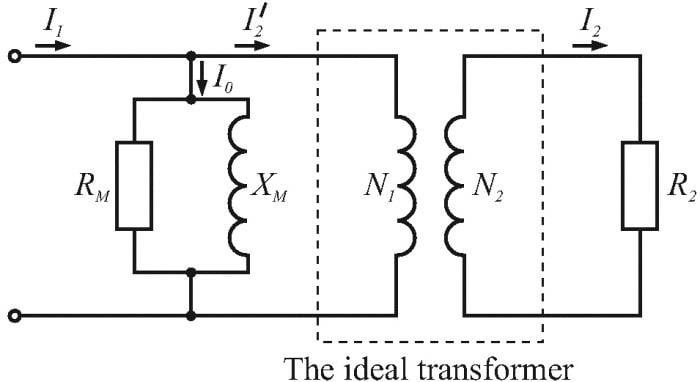
The equivalent circuit model of a CT incorporates the ideal transformer and loss components.
Using the CT model, we can specify a CT to meet your specific requirements and have it manufactured to suit your installation requirements.
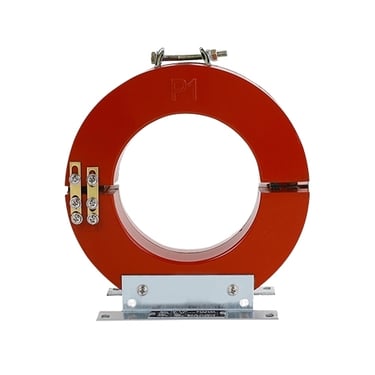
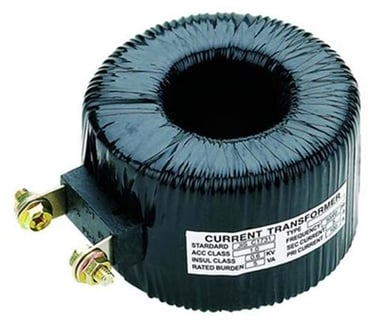
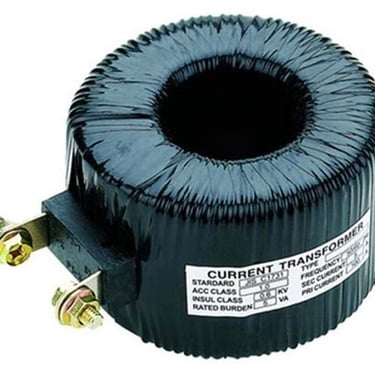
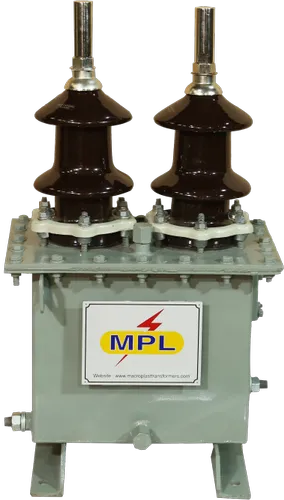
LV Instrument Current Transformers
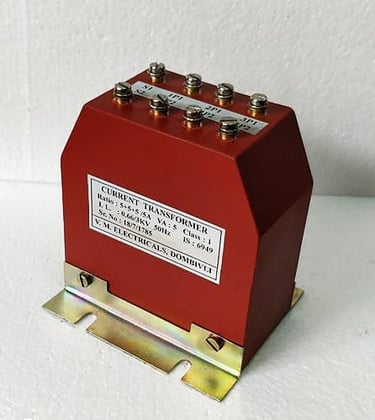
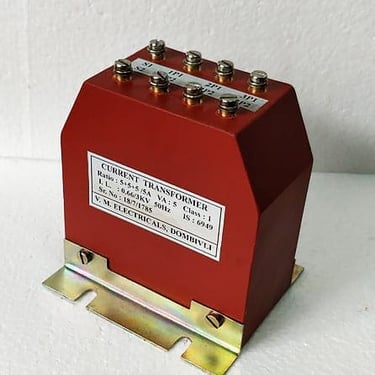
Provide a scaled, isolated current signal for metering, protection, and PQ analysis, allowing safe instrumentation on LV feeders without interrupting the circuit.
Iron core allows for tight coupling and high accuracy.
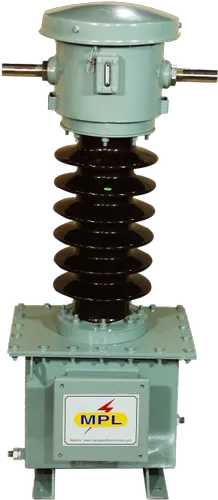
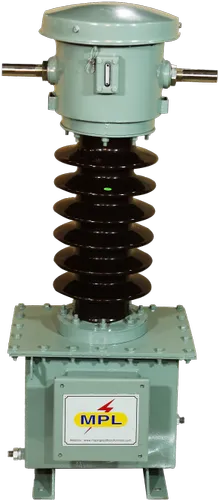
MV Instrument Current Transformers
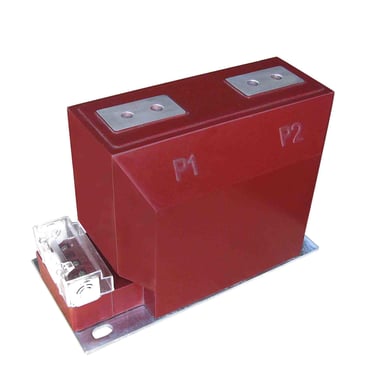
Provide a scaled, isolated replica of primary current so meters can record load, demand, and energy consumption from MV feeders.
Let you observe, meter, and protect MV feeders without ever exposing equipment or personnel to MV potential
If you’re planning new switchgear, upgrading metering, or resolving protection issues, see how we can support you with the right LV or MV CTs.
Not sure about what CT you require? Give us a call to discuss at +61 0402 414 145
Not sure about when to use a specific CT?
Want to learn more about the principles of CTs?
We also offer a training workshop that gives a deep look into current transformers and applications
Training Workshop
Contact Info:
© Copyright GreenVolt Power Quality Solutions 2026. All rights reserved.
Office Number: +61 0402 414 145
Email: contact@greenvoltpowerqualitysolutions.com.au
Office Hours:
Mon-Fri
8:00 AM - 6:00 PM